What Happens to a Junk Car After It Is Towed Away?
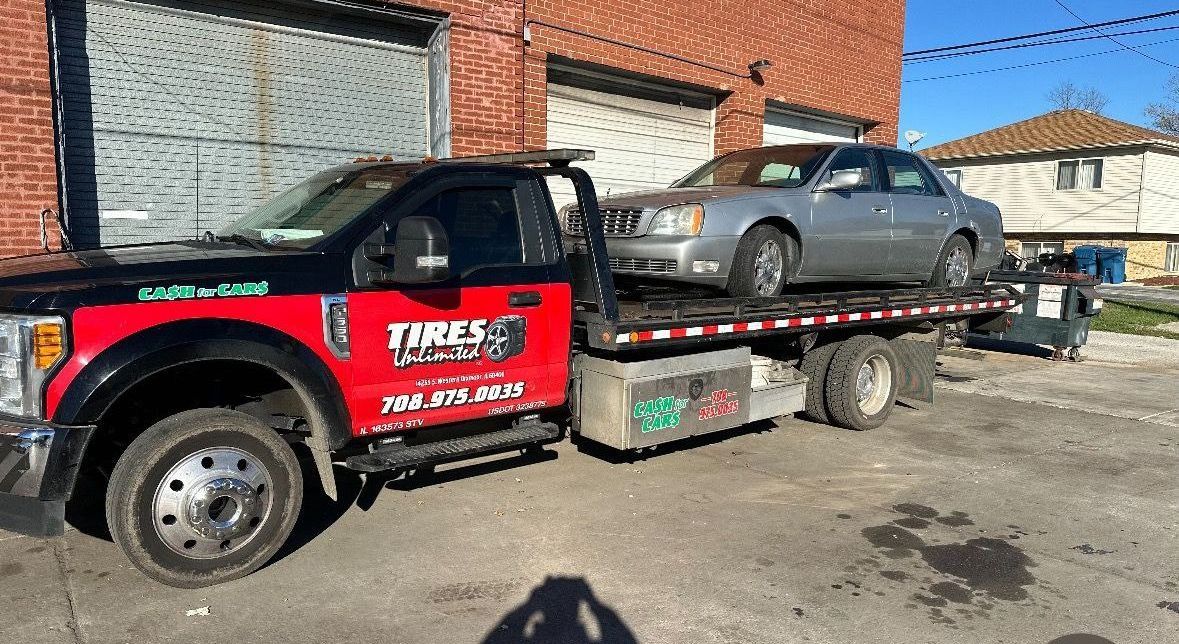
After a junk car is towed away, it typically moves through inspection, hazardous-material removal, parts recovery, and metal recycling. It does not always go directly into a crusher. The vehicle’s condition determines which components can be reused and how the remaining materials will be processed.
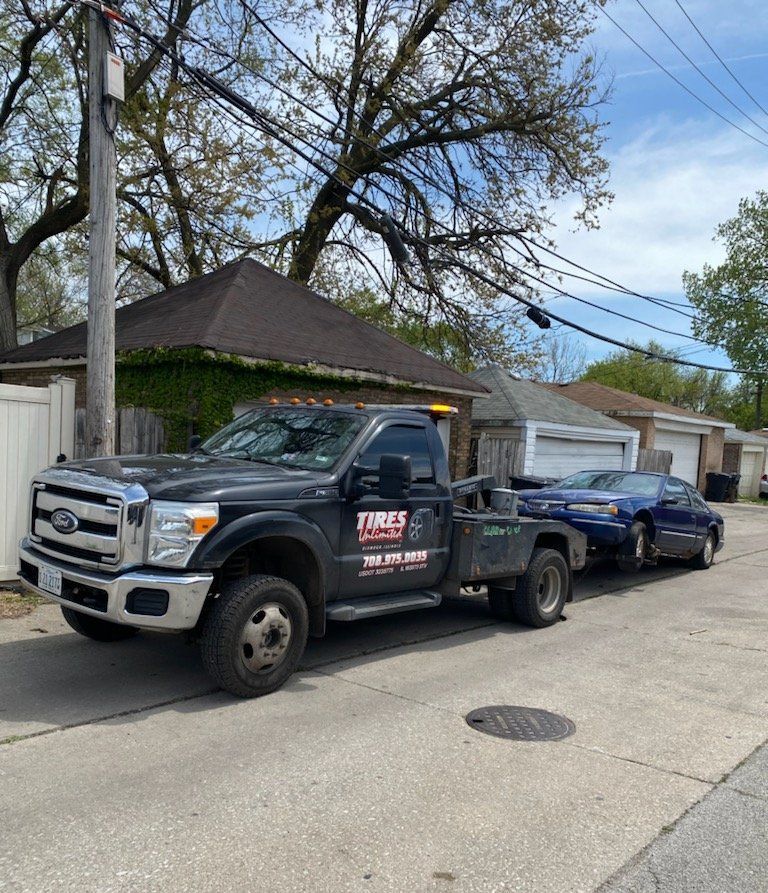
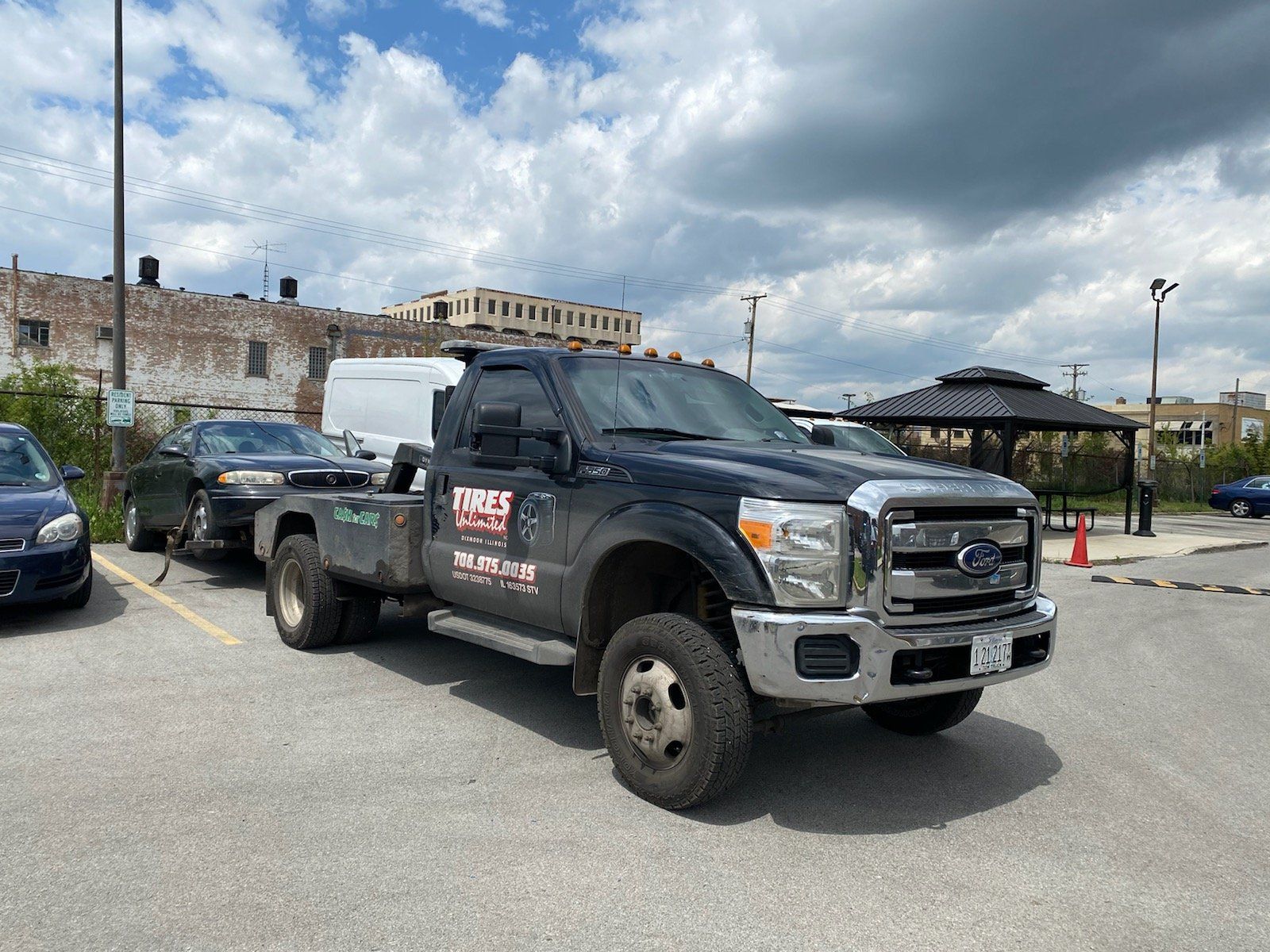
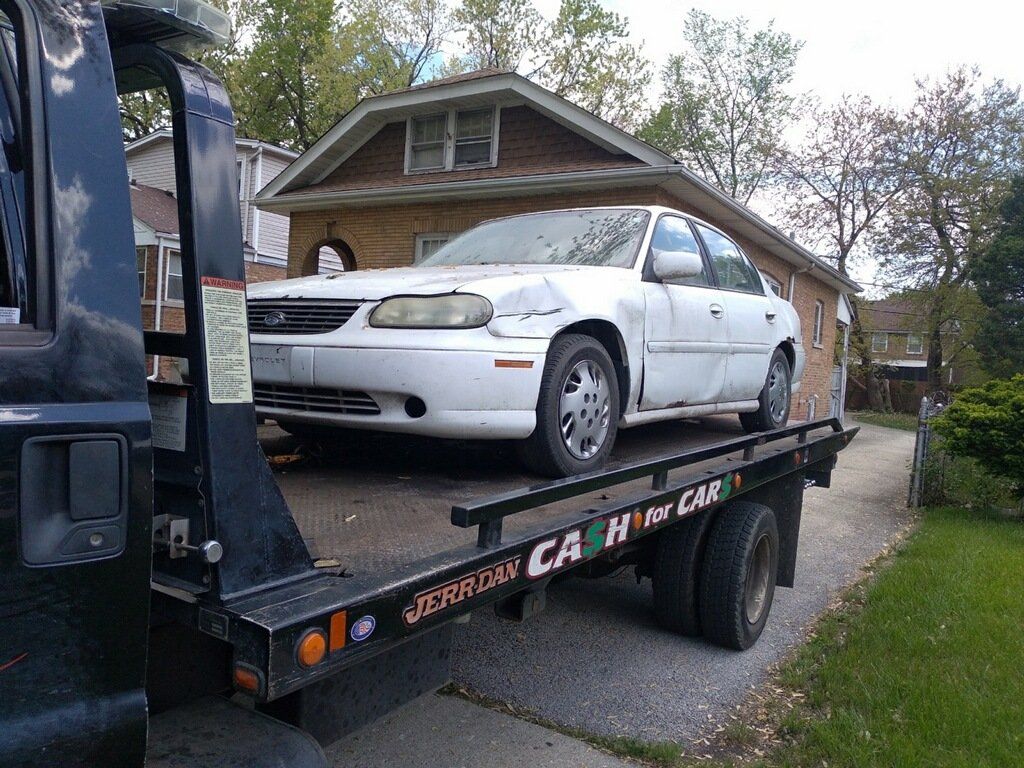
When you sell your vehicle to Cash For Cars, the quote you receive over the phone is the exact amount paid. Cash is provided on the spot, and towing is free as part of the vehicle purchase. From there, your old car can enter a recovery process that keeps useful materials in circulation and handles potentially harmful substances responsibly.
The Vehicle Is Inspected & Sorted
A junk car is inspected first to determine what can be recovered from it. Its age, condition, damage, and remaining components all affect what happens next. A badly wrecked or heavily rusted vehicle may have little reuse potential, while another car may still contain working components or valuable recyclable materials.
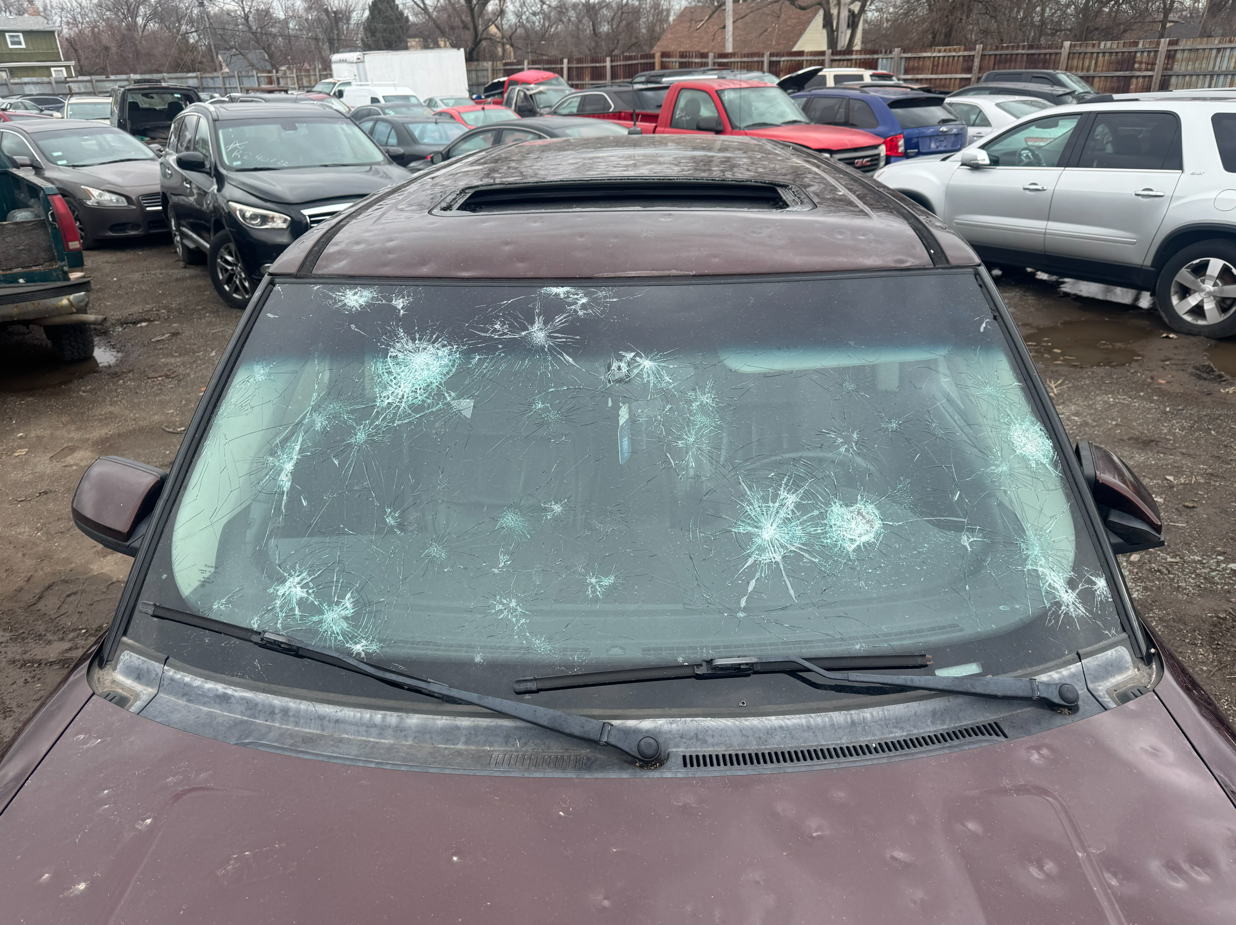
Not every junk car follows the same path. Some vehicles are dismantled before their shells are recycled. Others may require additional handling because of collision damage, fire damage, missing components, or an electric or hybrid powertrain. This initial assessment helps the processor decide how to handle the vehicle safely and efficiently.
Cash For Cars buys whole vehicles rather than individual parts. Any later decision about component recovery happens after the complete car has been purchased and removed.
Fluids, Batteries, & Hazardous Materials Are Removed
Hazardous materials must be removed before a junk vehicle can be crushed or shredded. A typical processing facility begins by removing the battery and recovering the air-conditioning refrigerant. Fuel and automotive fluids are then drained using equipment designed for safe collection.
Materials that require separate handling may include:
- Gasoline or diesel fuel
- Engine oil and transmission fluid
- Brake and power-steering fluid
- Coolant and windshield-washer fluid
- Lead-acid or lithium-ion batteries
- Air-conditioning refrigerant
- Tires and airbags
Removing these materials helps prevent leaks, fires, and contamination during dismantling and recycling. Some fluids can be cleaned or re-refined for future use. Batteries, tires, refrigerants, and other regulated materials are sent through their own appropriate recovery or disposal channels.
Electric and hybrid vehicles require special attention because their high-voltage batteries cannot be handled like ordinary automotive batteries. These packs are identified and routed to facilities equipped to store, transport, reuse, or recycle them safely.
Usable Components May Get a Second Life
A component that still works may be removed before the vehicle shell is processed. Depending on the car, recoverable items may include an engine, transmission, alternator, starter, wheels, mirrors, body panels, or interior components.
Reusing a functional component can extend its service life and reduce the need to manufacture a new replacement immediately. Other parts may be rebuilt or processed for the materials they contain rather than reused in their existing form.
The presence of reusable components can influence how a vehicle is handled, but you do not need to dismantle the car yourself. Removing items without the proper equipment can be difficult and may leave you with an incomplete vehicle that is harder to sell. Cash For Cars purchases whole cars, trucks, vans, SUVs, and other vehicles in many different conditions.
Metals & Other Materials Are Separated for Recycling
Metal makes up a substantial portion of most vehicles, which is why an old car can retain value even when it no longer runs. Steel, aluminum, copper, and other metals can be separated and prepared for recycling.
Different parts of the car contribute different materials. The body and frame contain large amounts of steel. Aluminum may be found in wheels, engine components, body panels, and other assemblies. Wiring and electrical systems contain copper, while catalytic converters contain small quantities of valuable metals that require specialized processing.
Nonmetal materials do not all follow the same route. Some plastics, rubber, glass, fabrics, and foam may be recovered when suitable processing options are available. Laminated windshield glass and mixed interior materials can be more difficult to recycle than clean metal, so the amount recovered depends on the vehicle and the capabilities of the processing facility.
The Remaining Vehicle Shell Is Crushed & Shredded
After fluids and recoverable components are removed, the remaining vehicle shell may be crushed. Compacting the shell makes it easier and more economical to transport to a shredding or metal-processing facility.
Shredding reduces the vehicle into smaller pieces so different materials can be separated. Magnetic systems can pull out ferrous metals such as steel, while other equipment separates aluminum and additional nonferrous metals. The recovered metal is then prepared for use as raw material in future manufacturing.
Not every part of a vehicle can be recovered, but careful dismantling and material separation reduce the amount of waste left at the end of the process. The goal is to reclaim useful components and materials before disposing of what remains.
Does Every Junk Car End Up in a Crusher?
Not every junk car is crushed immediately. A vehicle may still have recoverable components or enough remaining value to justify additional dismantling first. Another car may be too damaged or deteriorated for anything beyond material recovery.
The outcome depends on the car’s condition and the market for its components and materials. A newer totaled vehicle may contain many useful assemblies even though repairing the complete car would not make financial sense. An older vehicle that has been sitting for years may move more quickly toward metal recycling.
From your perspective, you do not need to determine that outcome before selling. Describe the vehicle honestly when requesting your quote, including whether it runs, where it is located, and whether major components are missing. That information helps arrange the right pickup.
What Should You Do Before the Junk Car Is Picked Up?
Remove your personal belongings before the tow truck arrives. Check the glove compartment, trunk, center console, door pockets, under the seats, and any storage areas you may not use regularly. Take out toll transponders, garage-door openers, paperwork, and anything containing personal information.
You should also provide accurate details about the vehicle and its location. Mention flat tires, locked wheels, collision damage, tight alley access, or other conditions that could affect pickup. Cash For Cars can buy a junk car without a title, so a missing title does not have to keep an unwanted vehicle sitting where it is.
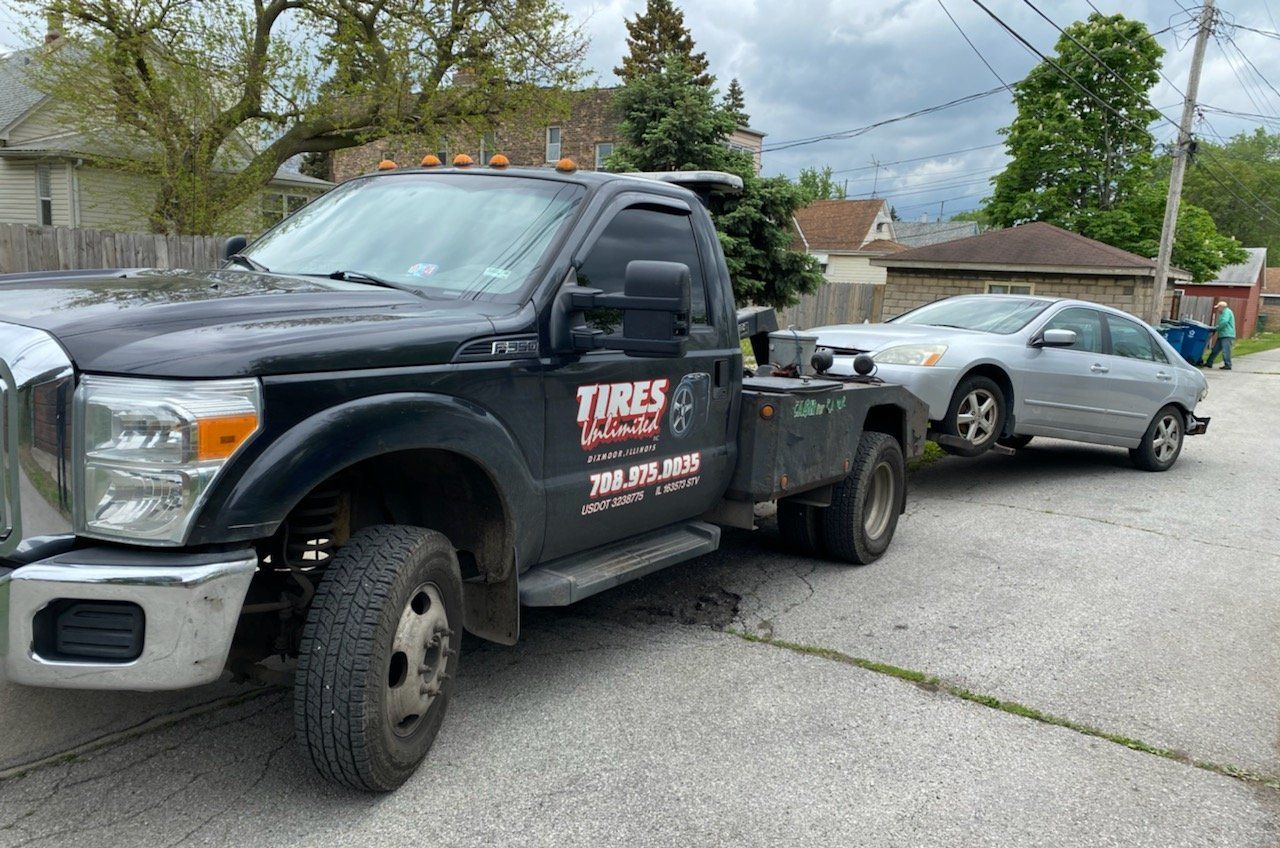
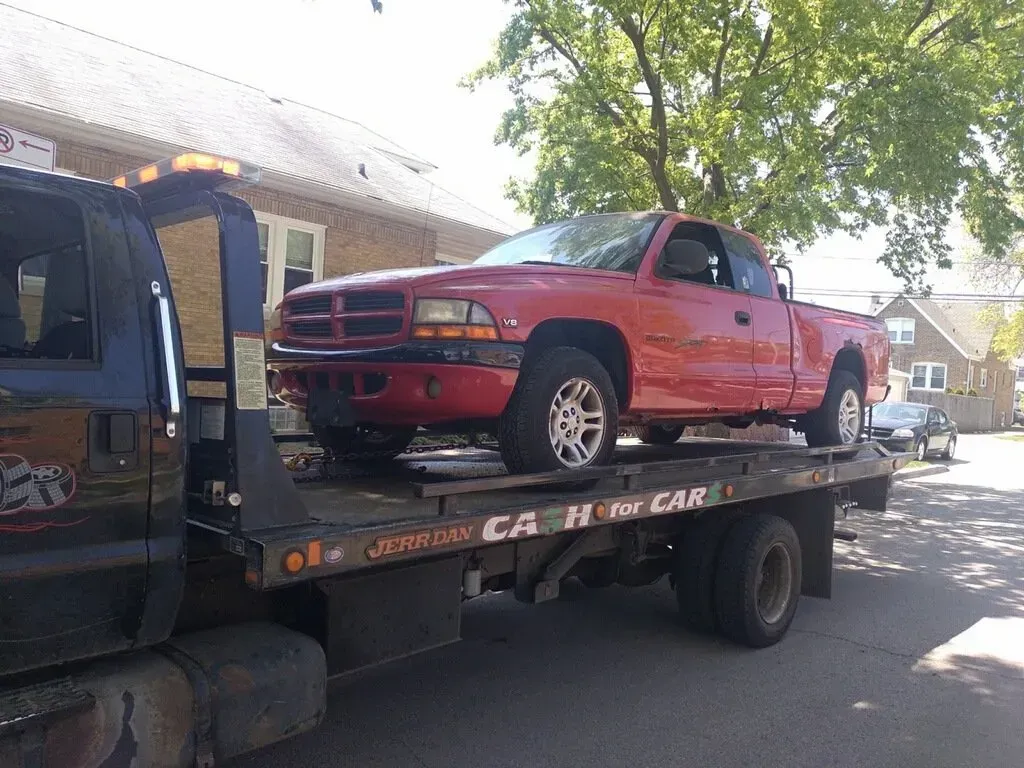
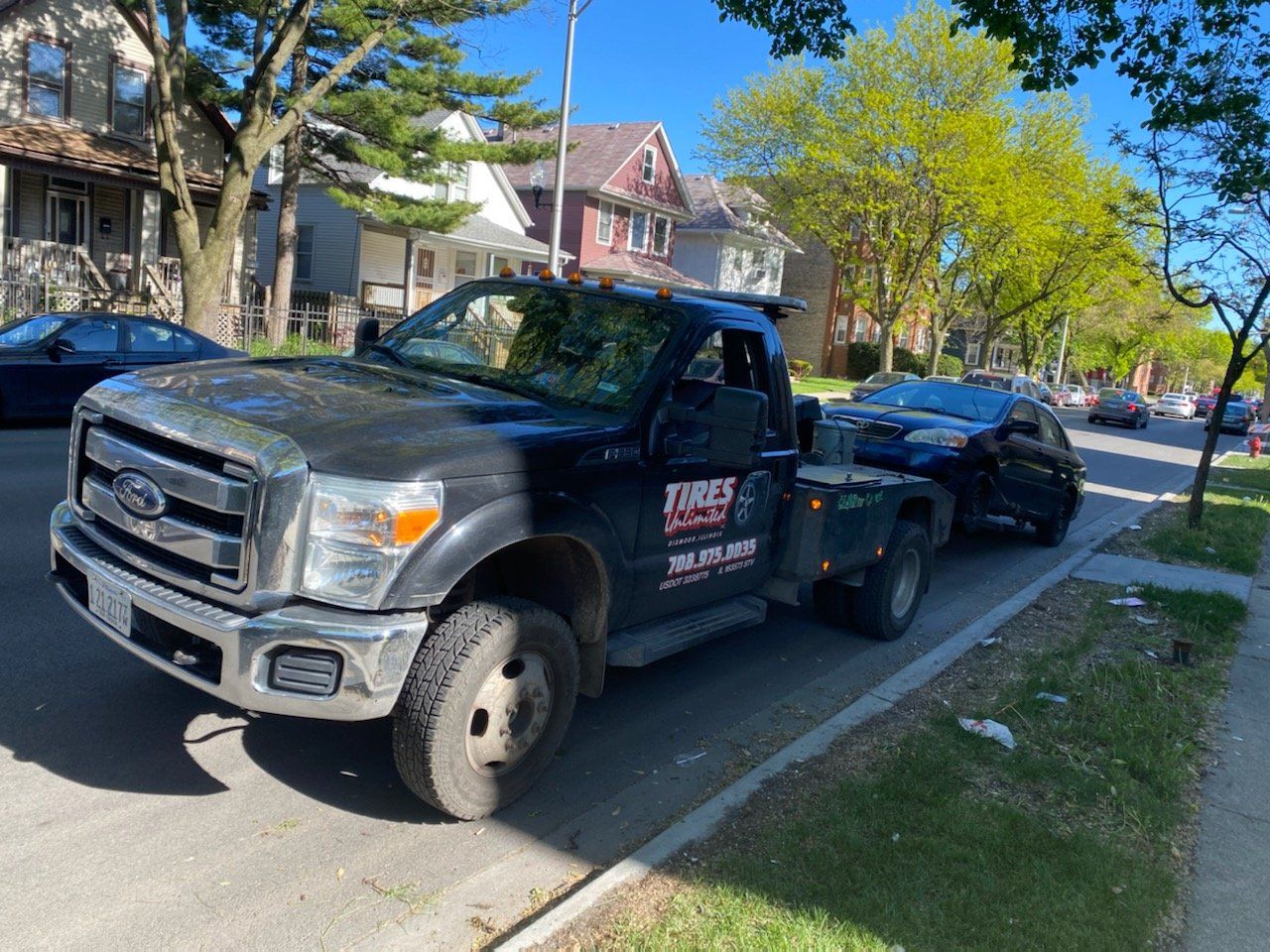
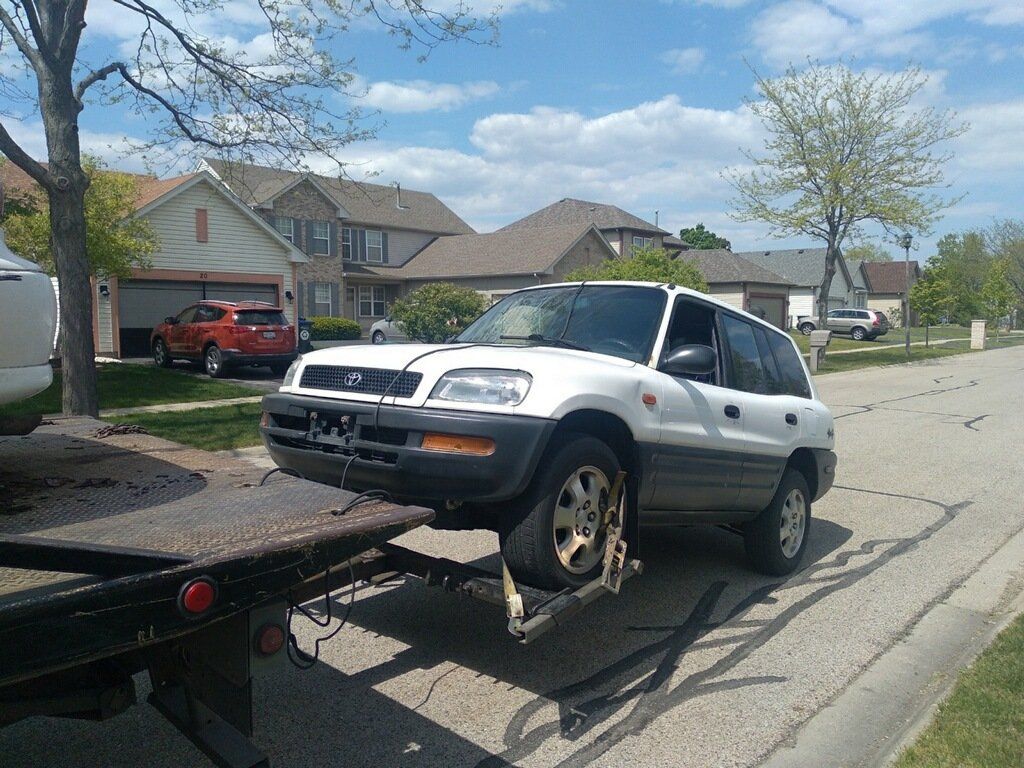
Free towing is included when Cash For Cars buys your car. It is not offered as a separate towing-for-hire service.
Get an Exact Quote & Same-Day Cash in Chicago and the Chicagoland Area
Cash For Cars has purchased junk vehicles throughout the Chicago area since 1997. You receive a free quote over the phone with no last-minute haggling, cash on the spot, and free towing after the sale. Pickup is often available within an hour, depending on your location and current availability.
Service is available throughout Chicago and the surrounding region, including Des Plaines, Mt. Prospect, and Hammond. Contact Cash For Cars today to describe your vehicle, receive an exact offer, and schedule free pickup when we buy your car.